Network Engine NETWORK ENGINE

Voyage experience.
Network strategy.

Measured along the route. Reviewed by people.
RV organizes waterway segments and carrier strategies.
The Hub Terminal evaluates and executes them locally.

A better basis for choosing each SIM
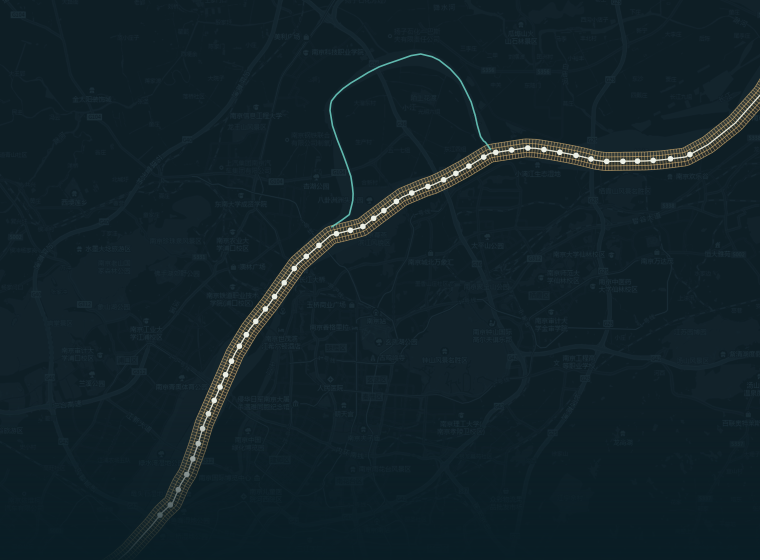
Gold channels and cyan branches provide a spatial reference for route-based network strategies
ONE ROUTE · DIFFERENT NETWORK CHOICESLinked to location
RV waterway databaseRead the strategy for this segment
Position×Carrier→SIM / Network mode
CHANNEL–STRATEGY SCHEMATIC · BASEMAP © AMAP
01Strategies informed by field experience

Turn differences along the route into useful evidence

02Balance coverage and cost

Give different carriers a useful role

Route strategies are being developed

01 / WHY A NETWORK ENGINE

Two SIMs.
More choice along the way.

As a vessel moves, network conditions change. Choosing a SIM involves considering its plan. On a particular stretch of river, the question becomes which carrier works better there.

We want to consider both together: use different carriers to complement coverage, a suitable plan for everyday data, and route experience to inform the device's choices.

THE CURRENT MOMENT

How is the connection now?

Signal strength, signal quality and connectivity describe the conditions the device is experiencing now.

THIS STRETCH OF RIVER

How does it perform here?

Link test locations, carriers and actual transfer performance to build experience specific to the route.

THE NETWORK ENGINE APPROACH

Another basis for the choice.

Route strategies provide a reference. The terminal considers its current state before adjusting the network.


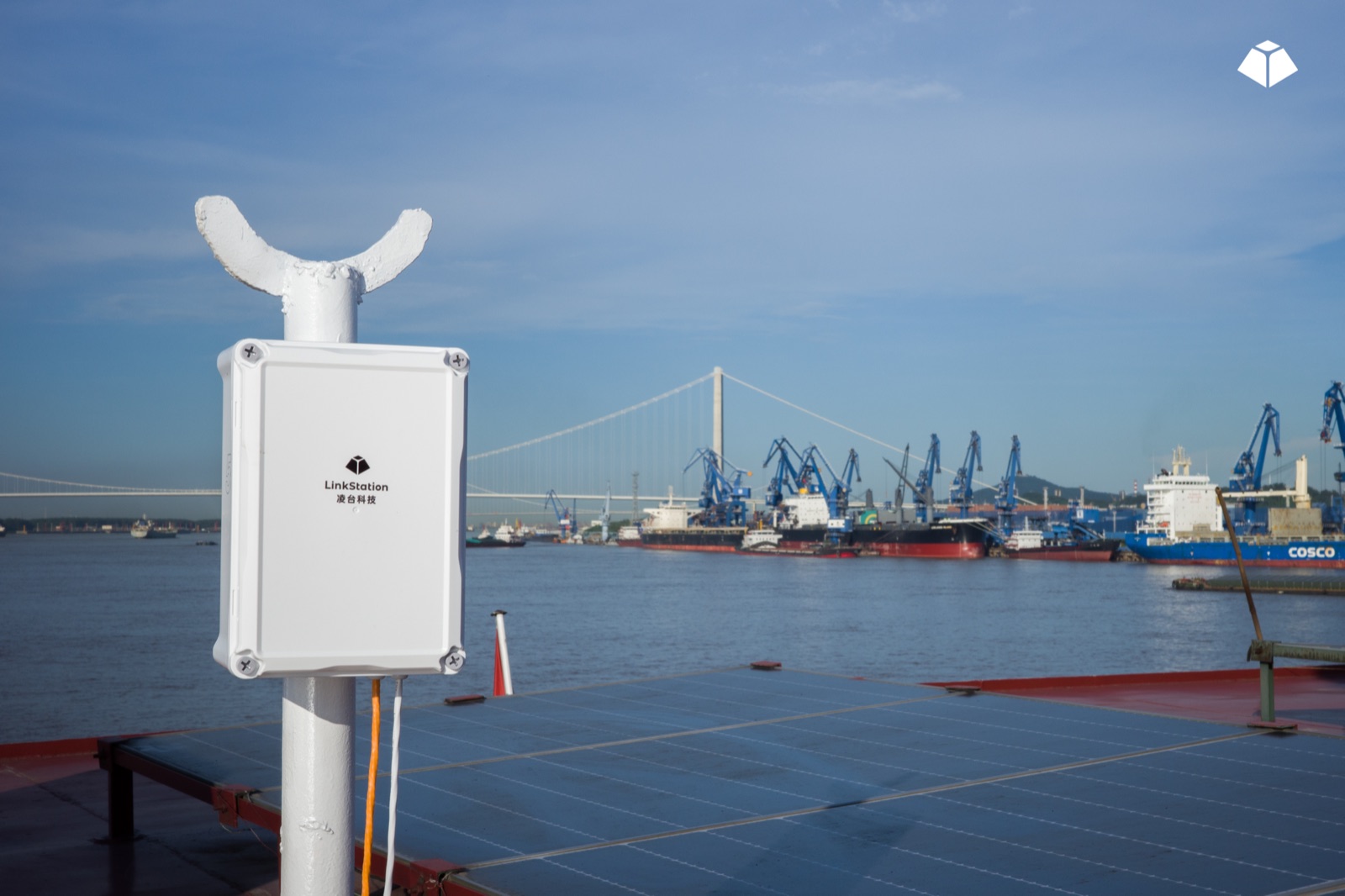
An original LenTack device installed on a vessel, with the river, a bridge and a wharf behind
IT STARTS ON BOARDFirst-generation device · Actual onboard installation

02 / FROM TESTS TO STRATEGY

Travel the route.
Understand each stretch.

Performance can vary between locations on the same route. Beyond a single signal reading, we measure downloads, uploads, latency and jitter, and keep the location of each test.

Tests are grouped by waterway segment and carrier, reviewed by people, then organized into strategies the device can read. This is how the Network Engine builds experience.

EXISTING FIELD RECORDS / 2025291 records in the public reportFirst-generation device · China Mobile 5G onboard tests

These records come from the existing Yangtze field-test whitepaper. Differentiated route strategies for multiple carriers still require further measurement and review.

  1. 01 / MEASURE

    Test along the route

    Record position, carrier and actual transfer performance.

  2. 02 / REVIEW

    Review the evidence

    Assess differences in context to establish a basis for strategies.

  3. 03 / STORE

    Link strategies to locations

    Store them in RV by SIM slot and actual carrier.

  4. 04 / APPLY

    Let the terminal execute

    After matching the segment, use the valid strategy and local device state.

03 / COVERAGE & COST TOGETHER

A plan for everyday use.
Options along the way.

Plans shape long-term cost; coverage shapes the experience on a particular stretch. Combining two carriers lets a preferred plan handle everyday usage while another SIM complements coverage where appropriate.

Consider cost when choosing plans. Let route strategies guide SIM selection in operation. Each has its role, helping the combination suit your own route.

A PREFERRED EVERYDAY PLAN

The right plan
for familiar routes.

Suppose SIM A is your everyday plan and has a higher strategy rating on this segment. The terminal continues to use SIM A.

SIM A
Active · Higher segment rating
SIM B
Available for other segments

For you: choose plans with your own routes in mind.

Operating principle only. A and B are example combinations, not specific carriers or measured coverage. The device does not automatically compare plan prices. Switching SIMs can briefly interrupt the connection.

04 / DATABASE × TERMINAL CODE

The database holds experience.
The terminal takes action.

RV organizes strategies by location. The Hub Terminal knows where the vessel is, which carriers its SIMs use and the current network state.

Together, they turn a segment's connection strategy into a device operation with prerequisites and result checks.

RIVERATLAS WATERWAY DATA

Put strategies into the waterway grid.

Associate SIM slots and actual carriers with 100 m mileage references. The same location can hold different network strategies.

100 mAlong-channel position reference2 × 3Two SIM slots × Three carriers

The structure supports China Mobile, China Unicom and China Telecom. This describes the data model, not completed field testing of all three carriers.

Explore the RV waterway database
HUB TERMINAL / LOCAL EXECUTIONFrom position to connection result
  1. 01
    Find the current segment

    Match a valid GNSS position to a segment in the database.

  2. 02
    Confirm the installed carriers

    Use confirmed carrier information to find the corresponding strategies.

  3. 03
    Choose a SIM and network mode

    Compare strategy ratings and apply automatic, 4G or 5G mode as specified by the selected strategy.

  4. 04
    Execute, then verify

    Confirm SIM identity, network mode, registration and the data connection in sequence.

CLEAR PREREQUISITES

Missing information? No blind switch.

No SIM choice is invented when the position is unmatched, the carrier is unconfirmed or no valid strategy is available.

MEASURED ACTION

Keep a suitable connection.

Equal ratings retain the current SIM. If the slot and mode already match the strategy, no repeated adjustment is made.

CHECKED RESULTS

A command needs a result.

SIM and mode changes run in sequence, with timeout, failure and recovery handling. Issuing a command is not treated as a completed connection.

05 / BEFORE YOU USE IT

Understand the capability.
Make an informed choice.

The Network Engine evolves with route experience and data releases.

How far have route strategies progressed?

The database structure and Hub Terminal execution mechanism are in place. The connected RV Yangtze v1.8 database currently uses default automatic policies. Differentiated field-derived route strategies are still being developed.

This page describes the operating approach and development direction. Available segments and strategies depend on the device version and subsequent release notes.

What do typical dual-SIM systems use to switch?

Rules vary by product. Common conditions include signal metrics such as RSSI, connection failures, roaming and data limits. Signal strength is one possible input.

The Network Engine adds location-specific route experience: measured, manually organized carrier strategies become another input to the decision.

Reference: Teltonika RUTX50 official SIM switching documentation ↗
Does it automatically choose the cheapest plan?

Cost is balanced when selecting plans and combining carriers. The device uses valid route strategies to choose a SIM slot and network mode; it does not compare live unit prices or bills.

Two SIMs offer value as a combination. Consider your usual routes, everyday usage and each carrier's coverage when choosing them.

Are both SIMs online at once, with combined bandwidth?

The Hub Terminal supports two SIMs with one active at a time. The Network Engine selects from eligible SIMs; it does not combine bandwidth. A SIM switch reconnects to the network and can cause a brief interruption.

Actual performance still depends on local coverage, network load, antenna installation and plan conditions.

Does every switching decision need a cloud query?

Position matching, strategy lookup, evaluation and execution happen locally on the Hub Terminal using its installed database. Later data releases can add updated route experience.

A locally stored strategy does not guarantee carrier availability. Valid positioning, SIM information and actual network conditions are still required.

Make onboard network choices fit your own route.

From route experience
to onboard connections.

Explore the Hub Terminal View networks in the App Read the Yangtze field-test whitepaper
LenTack · 凌台科技

HARDWARE

Hardware

LENTACK / MARINE INTELLIGENCESmart marine terminals and connected systems