Reduce electromagnetic interference
Shielding around the main controller and power supply considers radar, radio and onboard cable environments.

First generation5G network terminal
Bring better connectivity along.
Bring 5G on board.
Connect the wheelhouse and everyday life on the vessel.
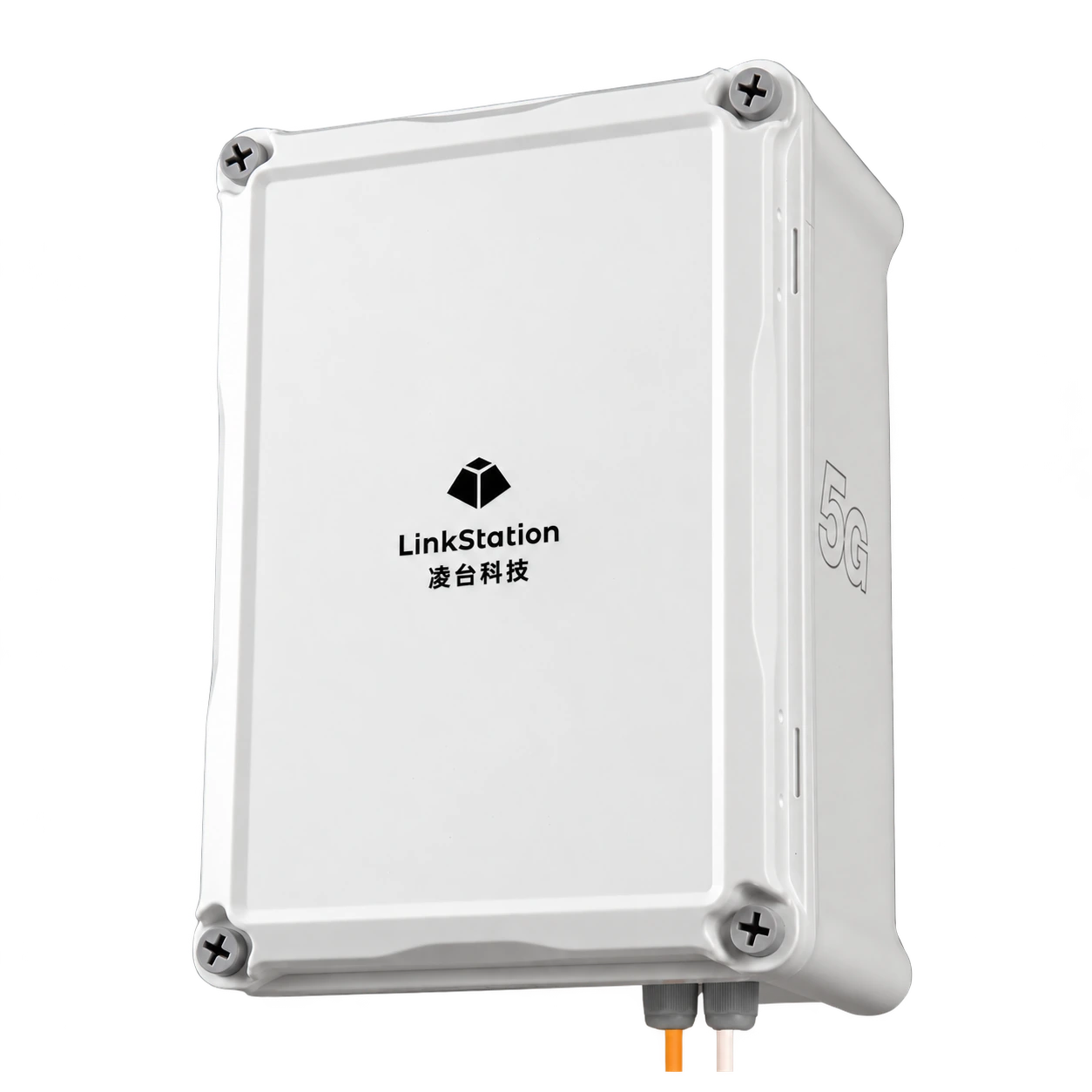
01 / TESTED ON THE YANGTZEFrom Chongqing to Shanghai
We took the equipment on board and sailed the Yangtze.
Test after test along an actual route
helped answer how well the onboard network performed.
Field-test locations along the route
Peak download rate recorded in historical tests
Share of the river area reported at 200+ Mbps in the original test records
Figures are from first-generation historical promotional materials, which cite the Yangtze Main Stem 5G Coverage and Speed Field Report. They reflect test conditions at that time. Actual speeds vary with location, network conditions and configuration. Read the full field report ↗
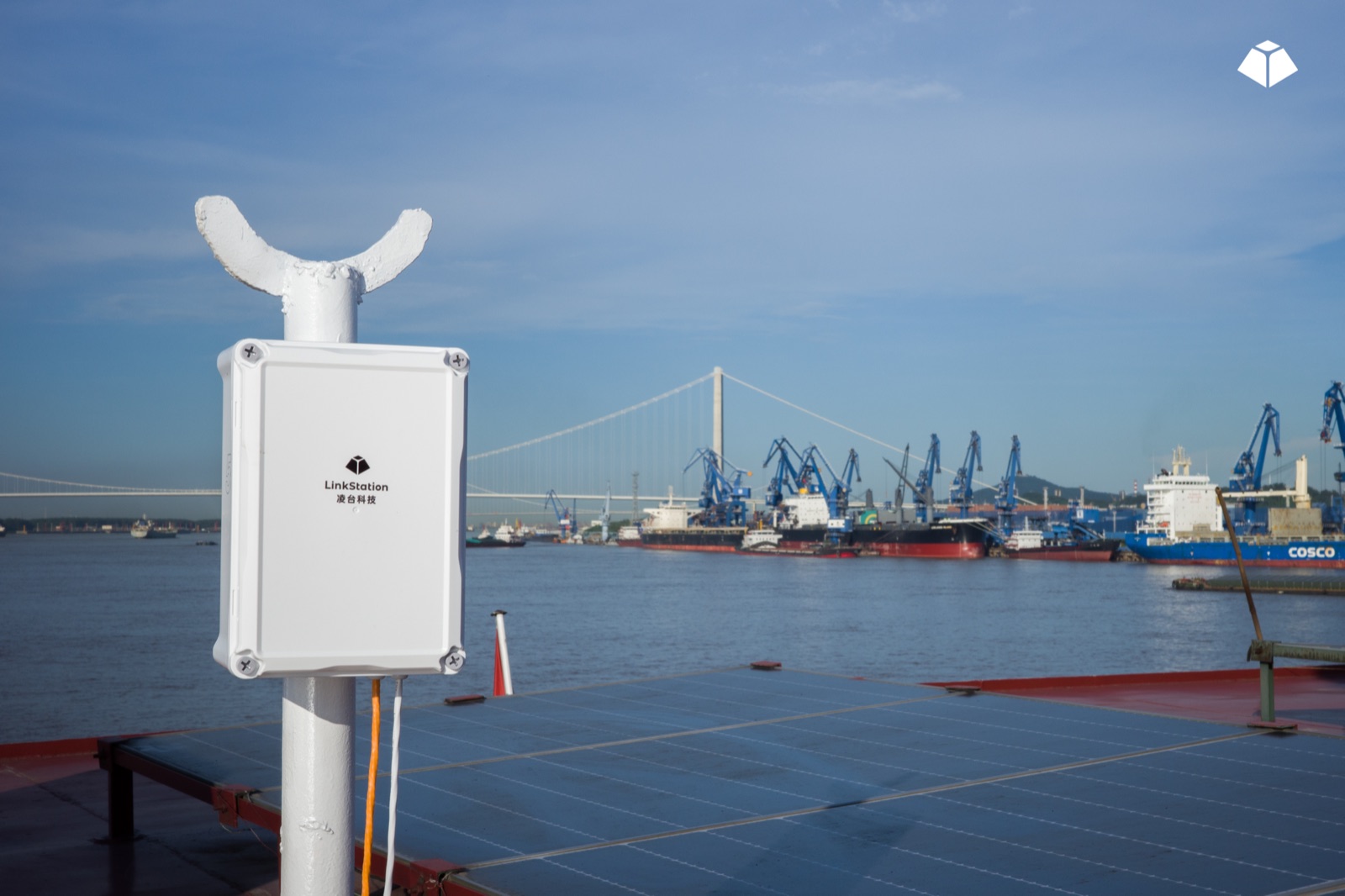
02 / 5G ACCESSGOOD CONNECTIONS START WITH RECEPTION
From the MediaTek 5G chipset to the RF antennas,
configured for network access while underway.
Receive the signal outside and bring connectivity inside.
03 / VESSEL-WIDE WI-FICOVER THE PLACES YOU USE
Steel bulkheads divide space. Connectivity needs a plan.
Ethernet and Mesh bring Wi-Fi to each deck,
so you can move around without switching networks manually.
Receive 5G outside.
Bring the network inside.
Place Wi-Fi along the passages
to serve the upper decks.
Extend coverage with wired Mesh
to the places used every day.
Cat 6 cables and connectors
Onboard wireless connections
Place coverage nodes to suit the space
Coverage depends on vessel type, steel structures, doors, windows and node configuration.
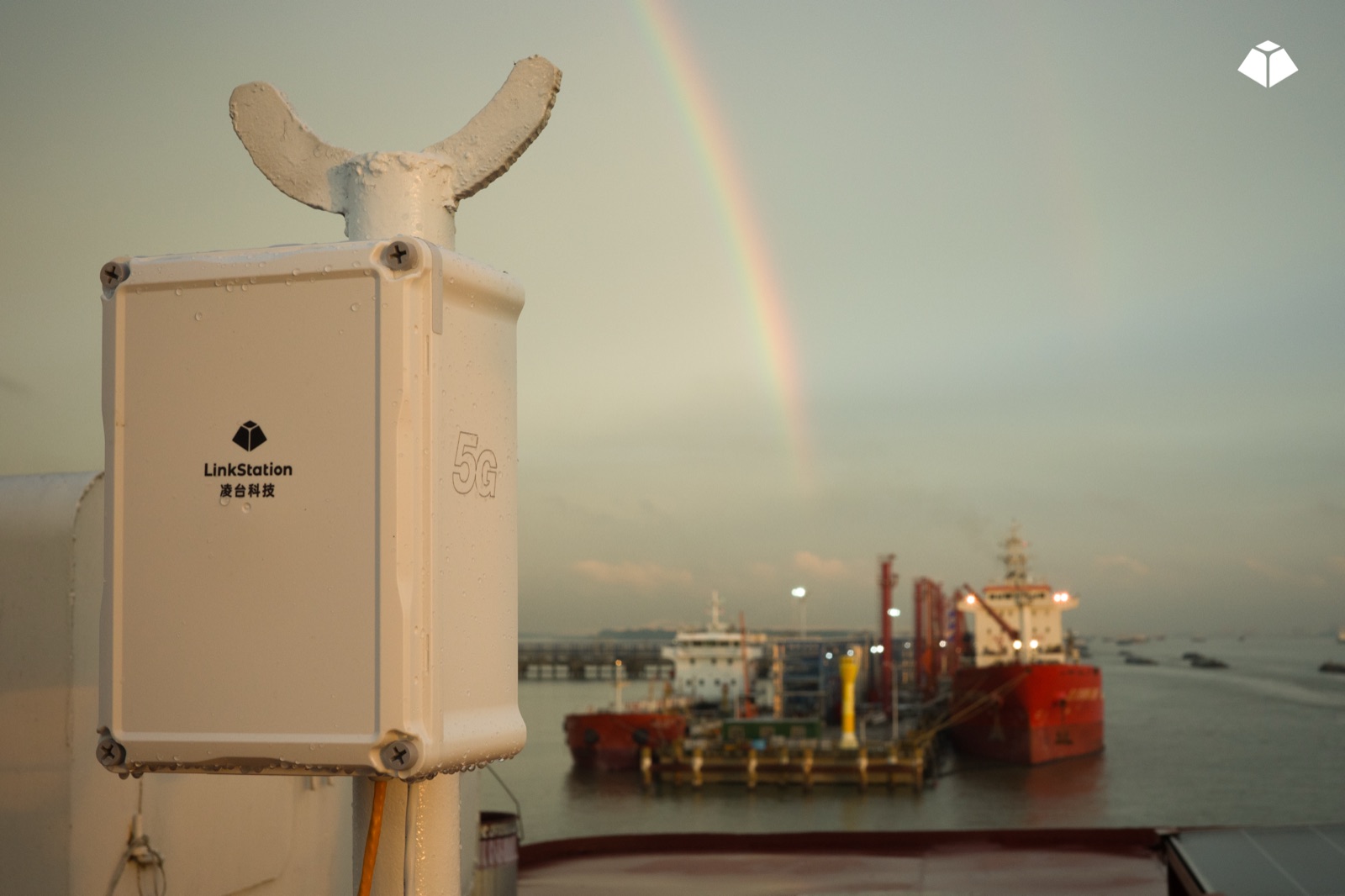
04 / MARINE DESIGNBUILT AROUND REAL ONBOARD CONDITIONS
Sun, rain, engine vibration and electromagnetic interference.
Onboard equipment needs an extra level of consideration.
Shielding around the main controller and power supply considers radar, radio and onboard cable environments.
The enclosure material includes antioxidants, light stabilizers and UV absorbers.
A fan and spacious enclosure address both outdoor sealing and heat dissipation.
3M vibration-damping foam protects the main board against vibration from vessel engines.
05 / CONNECTING THE CREWCONNECTIVITY FOR EVERYDAY LIFE
From work at the helm to videos and calls during a break.
One onboard network connects everyone's day.
During historical field testing
Average devices online per day
The crew used the network as usual during testing.
Performance was observed in everyday use.
From the test-environment records in the 2025 Yangtze Main Stem Field Report, using one main Mesh unit with two satellite nodes. This is the average daily online count, not maximum device capacity.
Product detailsFIRST GENERATION / LS500 LONG VOYAGE
LS500 Long Voyage is discontinued.
This exploration of onboard connectivity became the starting point for LenTack's next steps.
Configurations follow the original materials. Node count depends on steel structures, doors, windows and the vessel layout.